
Why Hire a Professional Fence Contractor for Your Farm Fence in Williamson GA

A farm fence has to do more than mark a property line. It has to hold up to livestock pressure, Georgia rain, shifting soil, tall grass, fallen limbs, delivery trucks, tractors, and daily gate use. When a fence fails, it can turn into a lost animal, a damaged crop, a neighbor dispute, or a repair that costs more than doing the job right the first time.
That is why hiring a professional fence contractor is often the smarter choice for a farm fence in Williamson, GA. A good contractor brings planning, proper materials, skilled installation, and real experience with the kinds of conditions found across local farms and acreage properties.
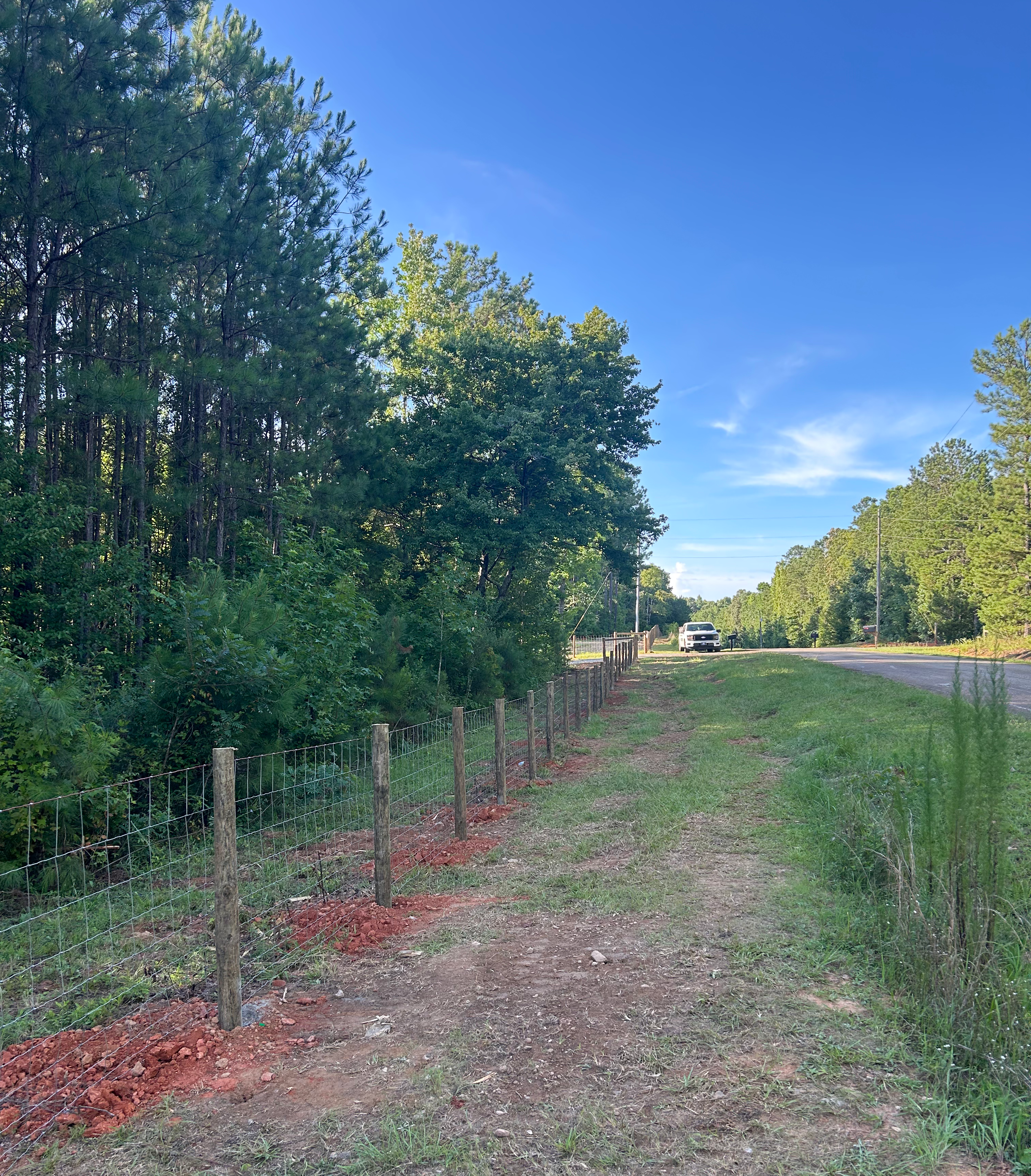
A professional contractor helps you choose the right fence for the job
Not every farm fence is built for the same purpose. A fence for horses has different needs than a fence for cattle, goats, dogs, gardens, hayfields, or property boundaries. One of the biggest benefits of hiring a pro is getting the right design before the first post goes in the ground.
A professional fence contractor can help match the fence to:
The animals being contained
The size and shape of the pasture
Gate locations and daily traffic patterns
Tractor and trailer access
Ground slope and drainage
Soil type and moisture
Visibility from the road
Budget and long-term maintenance needs
For example, a simple boundary fence may not need the same strength as a working livestock enclosure. A pasture used for horses may need smooth, visible fencing that reduces injury risk. A goat fence may need tighter wire spacing. A cattle fence may require stronger corners, braces, and tension.
The right choice is rarely just one material. Many farm fences combine wood posts, woven wire, board fence, high-tensile wire, or electric strands depending on the area. A contractor can explain where each option makes sense and where it may cause problems later.
Local land conditions matter more than many people realize
Williamson and the surrounding area have a mix of open pasture, wooded edges, driveways, low spots, and changing grades. Georgia weather also plays a role. Heavy rain, humidity, heat, and red clay soil can all affect how a fence performs over time.
A professional installer understands that posts cannot simply be placed the same way across every part of a property. Wet areas, slopes, and soft ground may need special attention. Corners and gate posts need extra strength. Low areas may need better planning so water does not weaken the installation.
A fence that looks fine on day one can start leaning if the posts are too shallow, the wrong materials are used, or drainage is ignored. Professional contractors know how to read the land and adjust the build to fit real conditions.
That includes decisions such as:
How deep to set posts
Where to use bracing
How to stretch wire correctly
How to handle hills and dips
Where to place gates for safe turning room
How to reduce sagging around heavy-use areas
These details may not stand out in a finished photo, but they make a major difference after months of rain, sun, and daily farm use.
Proper corners and bracing keep the fence strong
The strongest fence line is only as good as its corners, braces, and end posts. These parts carry much of the tension in wire fencing and take repeated stress over time. If they are weak, the fence can sag, pull loose, or lean.
This is one area where professional work pays off.
A skilled contractor knows how to build brace assemblies that suit the fence style and the pressure it will face. For woven wire or high-tensile fencing, correct tension matters. Too loose, and animals can push through. Too tight, and the system can strain posts or fail when the ground shifts.
Good bracing is especially important near:
Gates
Corners
Long straight runs
Changes in grade
Areas where livestock gather
Sections with electric wire support
A farm fence is a system. Posts, wire, braces, clips, staples, gates, and hardware all work together. When one part is weak, the whole fence suffers.

Professional installation saves time and labor
Building a farm fence is physically demanding work. It often involves clearing lines, measuring long runs, hauling posts, digging holes, setting braces, stretching wire, hanging gates, and checking alignment across uneven land. Even a smaller farm project can take far longer than expected without the right equipment and crew.
A professional contractor already has the tools needed for the job, such as post drivers, augers, tensioning equipment, wire stretchers, levels, saws, and proper hauling gear. More importantly, they know how to use them efficiently.
Doing it yourself may seem cheaper at first, but the hidden costs add up:
Equipment rental
Extra trips for materials
Wasted supplies from mistakes
Injuries or fatigue
Time away from farm work
Repairs when sections are not installed correctly
A contractor can usually complete the job faster and with fewer disruptions. That matters when animals need to be moved, pasture rotations are planned, or a property needs to be secured quickly.
Contractors help avoid expensive mistakes
Fence mistakes are often costly because they are hard to undo. A post set in the wrong place has to be pulled. Wire stretched incorrectly may need to be removed and reset. A gate that is too narrow may not work for trailers or equipment. A fence placed without checking boundaries can create conflict.
Professional contractors help prevent these issues before they happen.
They can identify practical concerns such as:
Whether a gate opening is wide enough for farm equipment
Whether a fence line blocks drainage or access
Whether livestock will crowd a weak area
Whether the fence height suits the animals
Whether the property line should be verified before building
Whether local rules, easements, or setbacks need review
A contractor is not a substitute for a surveyor, and legal property questions should be handled by the right professional. Still, an experienced fence builder knows when to pause and ask the right questions before moving forward.
That kind of caution can save money, stress, and neighbor problems.
Better gates make daily farm work easier
Gates are often the most-used part of a farm fence. They are also one of the most common failure points when installed poorly.
A good farm gate should swing cleanly, latch securely, and fit the way the property is used. That means thinking about more than the opening itself. A contractor looks at approach angles, slopes, vehicle access, livestock movement, and ground conditions.
For example, a gate at the wrong location may force a truck and trailer into an awkward turn. A gate placed in a low, muddy spot can become a daily headache. A gate hung on a weak post can sag until it scrapes the ground or stops latching.
Professional installation helps with:
Strong gate posts
Correct hinge placement
Proper latch hardware
Safe clearance
Easy access for tractors and trailers
Livestock-friendly flow between pastures
Small gate decisions can make farm chores easier for years.

A professional fence can improve safety
Farm fencing affects safety for people, animals, vehicles, and nearby properties. A weak fence can allow livestock to escape. Loose wire can injure animals. Poorly placed gates can create awkward traffic spots. Sharp materials or sagging sections can become hazards.
A professional contractor thinks through these risks during planning and installation. They can recommend smoother materials for horses, tighter spacing for smaller animals, stronger sections near pressure points, and safer transitions around gates or corners.
Safety also depends on visibility. Some animals need fencing they can see clearly. In certain areas, a board top rail, flags, electric offset, or other visual cue may help reduce contact with the fence.
For farms near roads, driveways, or neighboring homes, a secure fence is even more important. Keeping animals where they belong protects the animals and reduces risk for everyone nearby.
Quality materials last longer in Georgia weather
Humidity, sun, rain, insects, and ground contact can wear down low-quality materials. Farm fencing in Georgia needs materials that can handle outdoor exposure.
A professional contractor can help choose materials that make sense for local conditions, such as:
Pressure-treated wood posts where appropriate
Galvanized wire and hardware
Strong hinge and latch systems
Fence staples suited to the job
Proper electric fence components if needed
Bracing materials that match the fence tension
The cheapest material is not always the lowest-cost choice over time. If posts rot early, wire rusts quickly, or hardware weakens, repairs become a repeating expense.
Professionals also know where higher-grade materials matter most. You may not need the most expensive option across every foot of fence, but corners, gates, and livestock pressure zones deserve strength.
Good fence layout supports the way a farm actually works
A farm fence should support daily movement. It should not make chores harder.
Professional contractors often see layout problems that property owners miss at first. A fence might look good on a map but interfere with feeding, mowing, hauling hay, moving animals, or accessing water. A gate may seem convenient until a trailer has to back through it. A pasture division may look simple until animals start crowding one corner.
A smart layout can help with:
Rotational grazing
Separating animals by type or age
Accessing barns, sheds, and water points
Moving equipment safely
Keeping vehicles away from soft ground
Reducing wear in high-traffic areas
This is one of the most practical benefits of hiring an experienced contractor. They do not only build a fence. They help create a layout that fits farm life.
Hiring a pro can protect the value of the property
A clean, sturdy farm fence improves the look and function of acreage. It gives the property a cared-for appearance and can make pastures, driveways, and boundaries feel more organized.
For a farm owner planning to stay long term, that means fewer headaches and better daily use. For a property that may be sold later, good fencing can also make a strong impression. Buyers often notice whether fencing looks straight, secure, and well planned.
Poor fencing can send the opposite message. Leaning posts, sagging wire, mismatched gates, and patched sections suggest deferred maintenance. Even if the land itself is in good shape, failing fence lines can make the property feel less ready to use.
A professionally built fence is an investment in both function and presentation.

Professional work gives you a clearer plan and fewer surprises
A reliable fence contractor should walk the property, listen to the goals, explain options, and provide a clear scope of work. That process helps avoid confusion once the project starts.
A good plan should cover:
Fence type and materials
Approximate fence length
Post and gate locations
Number and size of gates
Areas that need clearing
Bracing and corner details
Timeline expectations
Any site conditions that may affect the work
Clear planning helps both sides understand the project. It also gives the property owner a better way to compare estimates. The lowest price may not include the same materials, bracing, gates, or preparation as a more complete proposal.
When reviewing contractors, ask practical questions:
Have they built farm fences for similar animals or properties?
What materials do they recommend and why?
How will they handle corners and gates?
Who is responsible for clearing the fence line?
How do they handle slopes, wet areas, or wooded edges?
What should be done before installation begins?
The answers reveal a lot about skill and experience.
The right contractor is worth it
A farm fence is too important to treat as a simple weekend project if the property depends on it. It affects livestock control, safety, access, chores, property lines, and long-term maintenance.
Hiring a professional fence contractor for a farm fence in Williamson, GA gives the project a stronger foundation from the start. The right contractor understands materials, land conditions, bracing, gates, and layout. They can help prevent common mistakes and build a fence that works in real farm life, not just on paper.
A well-built fence should stand straight, hold tension, open where it needs to, and make the property easier to manage. When the fence does its job every day without creating new problems, the value of professional work becomes clear.
Comments