
Top Considerations for Choosing the Perfect Farmstyle Wooden Fence

Choosing the right farmstyle wooden fence can transform your property, adding charm, security, and functionality. Whether you want to keep animals safe, mark boundaries, or enhance your rural landscape, the fence you select plays a crucial role. This guide breaks down the key factors to help you pick a fence that fits your needs and style.

Understanding Farmstyle Wooden Fences
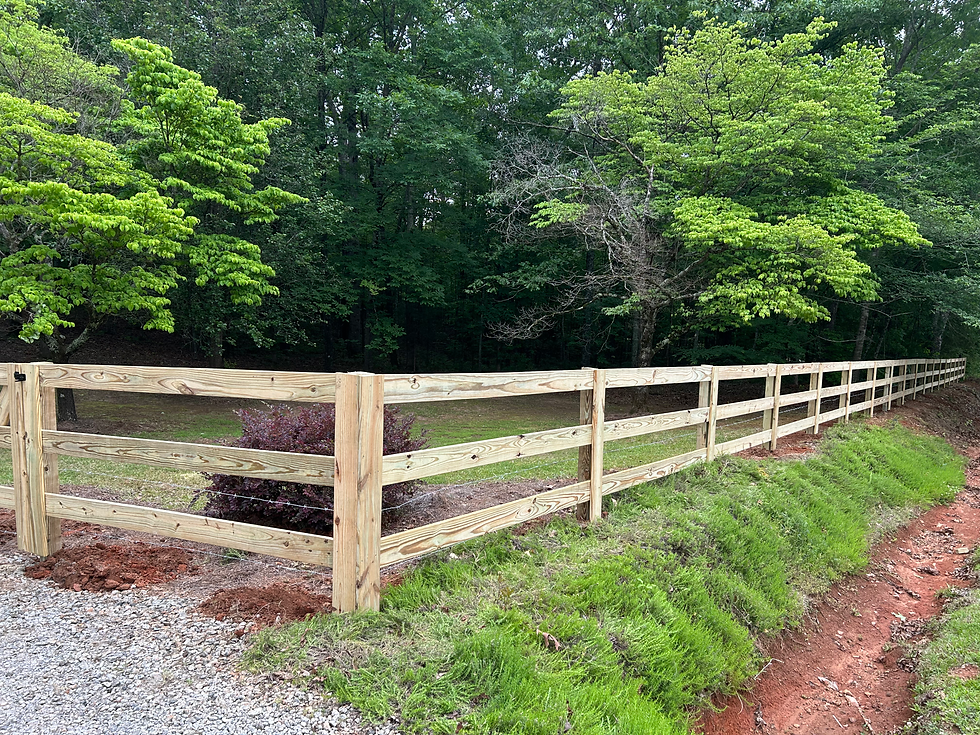
Farmstyle wooden fences are known for their rustic appeal and practical design. Typically made from durable wood like cedar, pine, or oak, these fences feature horizontal rails supported by vertical posts. Their open design allows visibility while providing a sturdy barrier.
This style suits farms, ranches, and country homes, blending well with natural surroundings. Before selecting your fence, consider how it will be used and the environment it will be placed in.
Choosing the Right Wood Type
Wood choice affects durability, maintenance, and appearance. Here are common options:
Cedar: Naturally resistant to rot and insects, cedar lasts longer without chemical treatments. It has a warm reddish tone that ages to a soft gray.
Pine: More affordable but less durable, pine requires regular sealing or staining to protect against weather and pests.
Think about your climate and how much upkeep you are willing to do. For example, cedar works well in humid areas, while pine might suit drier climates if maintained properly.
Fence Height and Design
Fence height depends on its purpose:
Animal containment: For horses or cattle, fences between 4 to 5 feet high are common. This height prevents animals from jumping over.
Boundary marking: Lower fences around 3 feet can define property lines without blocking views.
Privacy and security: Taller fences, 6 feet or more, offer more privacy but may not fit the traditional farmstyle look.
Design variations include:
Split rail fences: Rustic and simple, using split logs for rails.
Post and rail fences: Smooth, uniform rails attached to posts.
Board fences: Solid wooden boards placed close together for more privacy.
Choose a design that matches your farm’s function and aesthetic.
Installation and Maintenance
Proper installation ensures your fence lasts. Posts should be set deep enough in the ground, usually 2 to 3 feet, and spaced evenly for stability. Using galvanized nails or screws helps prevent rust.
Maintenance includes:
Regular inspections for loose boards or damaged posts.
Cleaning to remove dirt and mildew.
Sealing or staining every few years to protect wood from moisture and UV damage.
For example, a cedar fence in a wet climate might need sealing every 2 to 3 years, while pine fences may require more frequent attention.
Cost Considerations
Budget affects your choice of materials and fence size. Cedar fences cost more upfront but save money on maintenance. Pine fences are cheaper initially but may need repairs or replacement sooner.
Labor costs vary depending on fence length and terrain. DIY installation can reduce expenses but requires skills, tools, and a lot of harsh labor.
Environmental Impact
Wooden fences are eco-friendly compared to metal or vinyl options. Choosing sustainably sourced wood supports forest conservation. Avoid pressure-treated wood with harmful chemicals if you want a more natural option.
Enhancing Your Farmstyle Fence
Adding features can improve your fence’s function and look:
Gates: Choose sturdy wooden gates that match the fence style.
Decorative elements: Post caps or paint can add personality.
Lighting: Solar lights along the fence line increase safety and charm.
Final Thoughts on Choosing Your Farmstyle Wooden Fence
Selecting the perfect farmstyle wooden fence means balancing durability, appearance, and purpose. Focus on wood type, fence height, design, and maintenance needs to find the best fit for your property. Investing in quality materials and proper installation pays off with a fence that lasts and enhances your farm’s character.


Comments